
Swapping, Multi‑Chain Access, and Portfolio Tracking: What a Modern Wallet Really Needs
Okay, so check this out—DeFi moves fast. One day you’re swapping tokens on one chain, the next you’re bridging assets, juggling LP positions, and wondering why your mobile wallet shows three different balances that don’t add up. I’ve been in that loop enough to say: a wallet that only stores keys isn’t enough anymore. We need tools that help us act, not just hold.
Why does swap functionality matter? Short answer: convenience and cost. Medium answer: execution speed, routing, and the difference between a 0.3% fee and a 1.5% fee can make or break a trade for small positions. Longer thought: when a wallet integrates smart swapping (multi-route routing, gas optimization, slippage controls), it reduces friction and improves outcomes for users who don’t want to run a dozen DEX tabs and compare quotes manually.
My instinct told me early on that swapping inside a wallet would be clunky. Actually, wait—let me rephrase that: I expected it to be clunky until I saw better UX design and smarter aggregation. There’s a world of difference between a wallet that opens a DEX link and one that aggregates liquidity and simulates trade impact before you hit confirm. On one hand it’s an interface problem; on the other hand it’s a pricing and routing problem that needs real engineering.
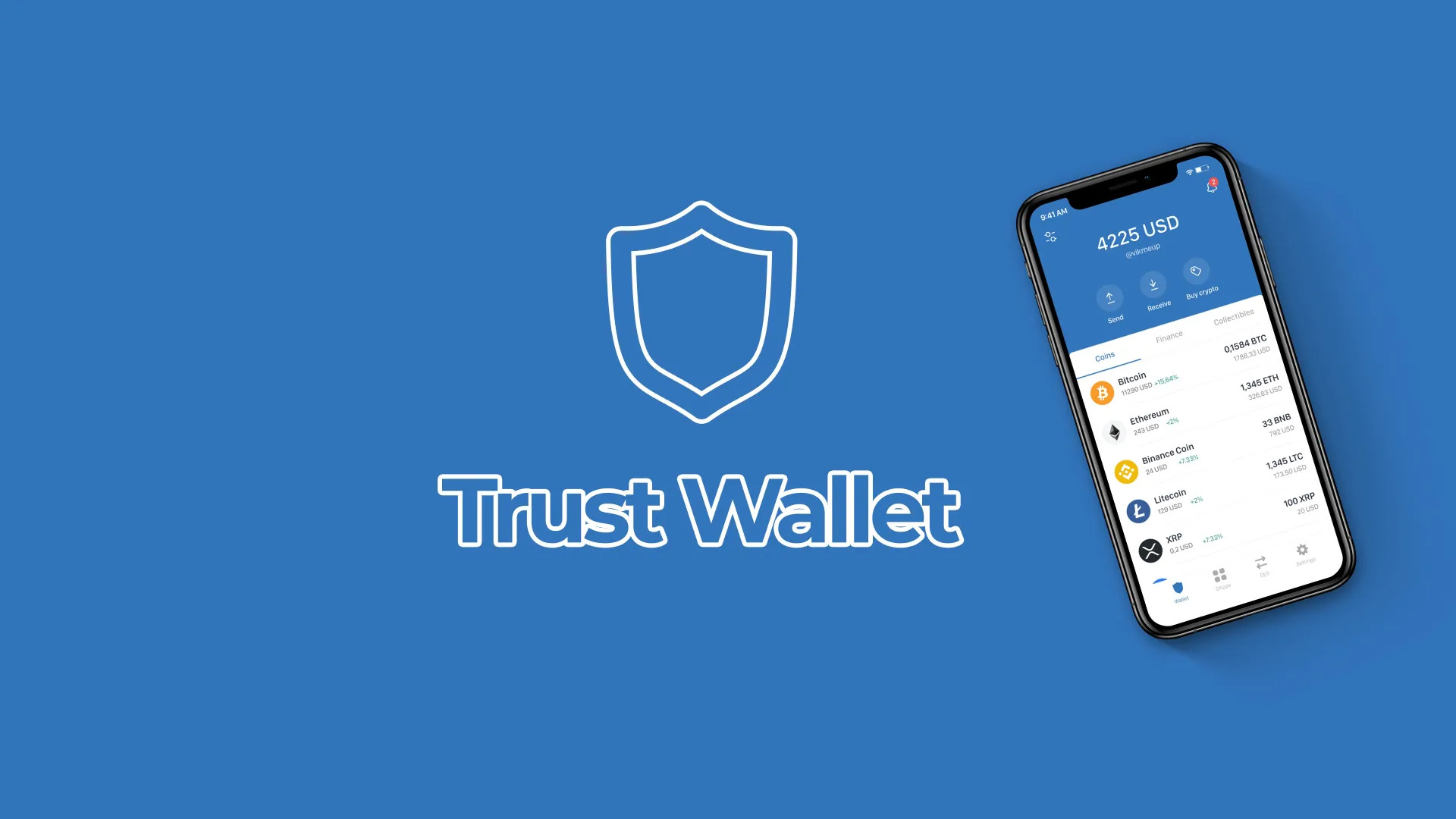
A practical look at swap functionality
Swaps in a wallet should do more than pass-through. They should: find the best route across DEXs, estimate gas and slippage, and offer a clear gas-price knob. Simple. But surprisingly rare. The better implementations will even auto-split a swap to reduce slippage on illiquid pairs, or show a “best execution” that blends multiple liquidity sources.
Here’s what matters, practically speaking: price discovery, execution reliability, and transparency. Price discovery finds the cheapest way to get from A to B. Execution reliability ensures the transaction doesn’t fail halfway, wasting gas. Transparency tells you exactly what you’re paying for (fees, slippage, bridging costs). Without those three, a swap is a roll of the dice.
Also: UI matters. If users can’t understand the trade details at a glance, they’ll either avoid in-wallet swaps or make mistakes. I’ve seen people accept 5% slippage because the warning was buried. That part bugs me.
Multi‑chain support: the real game changer
Being multi‑chain isn’t just about supporting many networks. It’s about making transferring value between chains predictable and cheap. Hmm… bridging is still the weak link for most wallets. Some bridges are fast but expensive. Others are cheaper but opaque. My gut feeling is that users value predictability over a marginally lower fee.
On one hand, supporting 10+ chains looks impressive. Though actually, depth matters more than breadth. If a wallet supports a chain but provides poor routing or no reliable DEX aggregation there, users will feel stranded. On the other hand, a wallet that focuses on key high-traffic chains and nails UX + swaps + security becomes a daily driver.
Security around cross‑chain actions is crucial. Bridging requires extra confirmations and sometimes third‑party custodian trust. Look for wallets that surface security details and let power users control confirmations and fees. Also—tooling for transaction simulation before sending can save you from a bad bridge routing decision.
Oh, and by the way… gas abstraction can make multi‑chain wallets friendlier. Letting users pay gas in a familiar token, or batching micro‑transactions behind a single meta‑transaction flow, reduces friction for newcomers. Small stuff, huge impact.
Portfolio tracker: more than pretty charts
A portfolio tracker should be your financial dashboard, not just a balance list. That means historical P&L, position breakdowns by chain, token exposure categories (stable vs volatile), and alerts for significant changes. Seriously? Yes. If your wallet treats portfolio tracking as an afterthought, managing risk becomes harder.
The best trackers reconcile on‑chain balances, LP positions, staking rewards, and even pending transactions. They normalize values across chains and show unrealized gains/losses in the native currency you prefer. Personally, I like daily snapshots; they help me notice creeping exposure that might otherwise be invisible.
And please—give me exportable history. CSV downloads. Tax report helpers. These are not glamorous, but they save late-night headaches when tax season hits (or when you reconcile trades after a flurry of activity).
Also: alerts. Price thresholds, large transfers out, or sudden drops in LP TVL should trigger notifications. If a wallet can highlight a problem early, you can act before a small issue becomes a crisis.
How these features come together in real use
Picture this: you spot a yield opportunity on Chain B. Your wallet shows your aggregated portfolio, highlights that you have excess stablecoin on Chain A, and suggests a swap + bridge flow with estimated fees, slippage, and final received amount. You hit confirm, the wallet splits the swap across two DEX routes to reduce slippage, bridges via a reliable router, and finally stakes on Chain B—all with minimal friction. That flow is what separates convenience from chaos.
Sound futuristic? It’s not. Wallets that combine swap aggregation, trustworthy bridging options, and a clear portfolio dashboard are already shipping these flows. The ones doing it well also provide clear security cues, like the exact contract being interacted with, and let you review the route before signing.
I’m biased, but when a wallet nails that flow, it changes behavior. Instead of hopping between browser tabs and spreadsheets, users trade and manage right in the app. It’s faster. It feels safer. And yes, it costs less in the long run when the aggregator avoids bad routes.
Choosing a wallet: a checklist
Ask these questions before committing to a mobile or desktop wallet:
- Does it aggregate swaps across multiple DEXs and show routing details?
- How many chains does it support, and does it support reliable bridges between the ones you use?
- Is the portfolio tracker comprehensive (stakes, LPs, pending txs) and exportable?
- Can you simulate transactions and adjust gas/slippage easily?
- Does it show contract addresses and approvals clearly?
- Are there recovery options or hardware wallet integrations for key management?
If you care about multi‑chain usability and want a wallet that leans into these features, check tools like truts wallet which aim to bring swapping, multi‑chain navigation, and portfolio views under one roof—just make sure it ticks the checklist above for your use case.
Small tangent: wallets with aggressive default approvals or automatic contract approvals are the worst. Always prefer manual approval or at least per-contract limits. It’s annoying, I know, but it’s safer. And yeah, the UX can be rough—deal with it.
Common pitfalls and how to avoid them
1) Blindly accepting slippage. Read the preview. If a price impact shows 2–3% on a small trade, something’s off.
2) Using unverified bridges. Prefer bridges with multisig or well-audited protocols.
3) Ignoring approvals. Revoke tokens you no longer use—simple and effective.
4) Overlooking hidden fees. Some bridges or swap aggregators take behind‑the‑scenes cuts that don’t show until after the swap. Transparency wins.
Here’s what I do: keep a small test amount when trying a new flow. Send $10 first. It feels silly, but it catches routing bugs and reveals hidden steps without risking your whole stash.
FAQ
How do swap aggregators choose the “best” route?
They evaluate liquidity pools across DEXs, estimate price impact and gas costs, and may split orders across multiple pools to minimize slippage. Some also consider bridge costs if the swap crosses chains.
Is bridging assets from one chain to another safe?
Bridging carries risk. Use well-audited bridges with strong security practices and check if the bridge has been tested under stress. For large sums, consider using multiple smaller transfers or custodial services with insurance.
Can a portfolio tracker show liquidity provider positions?
Yes. The best trackers pull LP token data, show underlying token balances, and compute impermanent loss vs. holding. Make sure the tracker supports the specific DEX and pool type you’re using. Drezinex
